Palm trees, piazzas, and a shimmering lake ringed by mountains — Switzerland's southernmost city where Italian culture meets Swiss precision.
Explore Lugano on GetYourGuide →Lugano is the largest city in Canton Ticino, the Italian-speaking region of Switzerland that sits south of the Alps. The difference from the German and French parts of Switzerland is immediate: the architecture is more open, the streets warmer, the pace of life fractionally slower, and the food unmistakably Italian. Palm trees grow along the lakefront. The piazza culture — espresso at a standing bar, evening strolls — feels more Milan than Zurich.
Yet Lugano is fully Swiss in its infrastructure: the trains run on time, the healthcare is first-rate, and the financial sector is one of the most important in the country. This combination — Italian culture within Swiss organisation — makes it one of the most distinctive cities in Switzerland for visitors.
The city sits on the western shore of Lake Lugano (Lago di Lugano, also called Ceresio), a narrow, deep lake that reaches into Italian territory. The lake is flanked by two mountains accessible by funicular — Monte San Salvatore to the south and Monte Brè to the east — giving the city an unusual density of viewpoints within a small area.
GetYourGuide offers lake cruises, guided city walks, day trips to Como and Milan, and boat tours to Morcote and Gandria from Lugano.
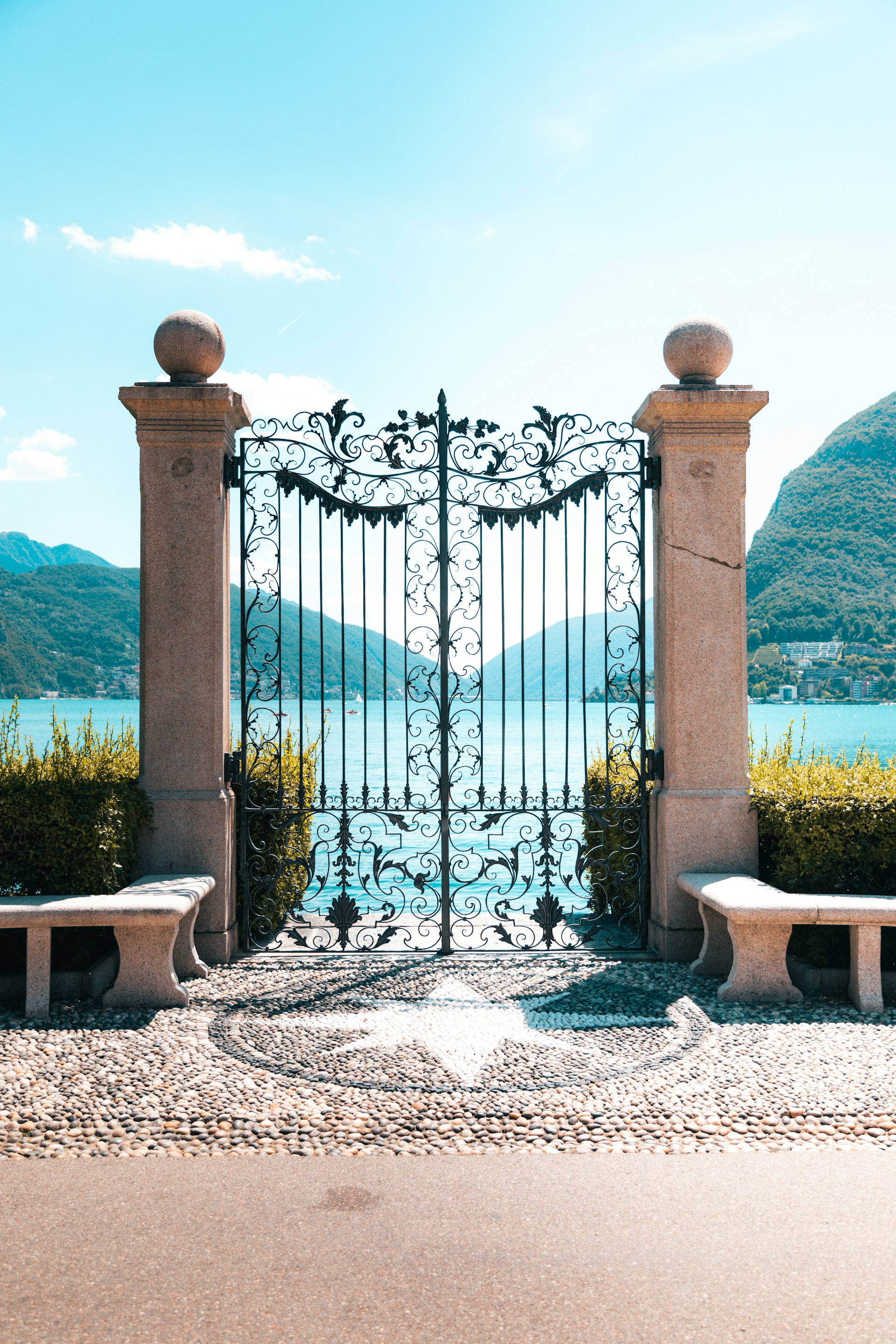
View Experiences on GetYourGuide →The Lungolago is the heart of Lugano's public life — a wide, pedestrian-only promenade running along the western shore of the lake for several kilometres. Palm trees, flower beds, and benches face the water and the mountains. The promenade connects the ferry landings, the Lido (public beach), and several parks. In the evening, it fills with locals walking, cycling, and sitting at the lakeside bars. It is the single most pleasant place to simply be in Lugano, and costs nothing.
Called the "Lighthouse of the Alps," Monte San Salvatore (912 m) rises directly south of the city and is reached by a funicular from the Paradiso district in about 12 minutes. The view from the summit is one of the finest urban-mountain panoramas in Switzerland: the entire curve of the lake, the city below, Monte Rosa and the main Alpine chain to the north, and the Italian plains extending south toward Milan. A small chapel, a restaurant, and a geological museum occupy the summit. On very clear days, the view extends over 200 km.
Monte Brè (925 m) rises to the east of the city and is reached by funicular from the Cassarate district. It is quieter than Monte San Salvatore and offers a different perspective over the lake and the city. At the top, the small village of Brè has been called one of the most beautiful villages in Switzerland — a cluster of stone houses, a church, and terraced gardens. The sunset view from Monte Brè over the lake is exceptional.
Lugano's old town (centro storico) rises steeply from the lakefront through a network of stepped lanes and arcaded streets. The main pedestrian axis, Via Nassa, is lined with high-end watch and fashion shops and leads up to Piazza della Riforma, the central square with outdoor café terraces and the 19th-century town hall. Above the square, the lanes become older and steeper, climbing past the Cathedral of San Lorenzo (16th century), with an ornate Renaissance façade and views over the rooftops.
The old town rewards unhurried exploration — the streets away from Via Nassa are quieter, with small bars serving spritz and simple trattorie that mostly serve locals.
The Museo d'arte della Svizzera italiana (MASI) is the main art museum, split across two sites: the Palazzo Reali in the city centre and LAC Lugano Arte e Cultura on the lakefront. The LAC building (opened 2015) is Lugano's main cultural venue, combining the museum with a concert hall and theatre. The MASI collection focuses on Swiss Italian art from the 19th and 20th centuries, with strong temporary exhibitions. The building itself, with its open loggia facing the lake, is worth seeing even without entering the museum.
Gandria is a small fishing village clinging to the steep hillside on the eastern shore of the lake, about 5 km from Lugano. It is reachable by boat (30 minutes from the central landing stage) or on foot via a lakeside path (about 2 hours). The village has no cars and no beach — just narrow alleys, flower boxes, small restaurants serving lake fish, and the water lapping directly below the houses. It is one of the most atmospheric places in the Ticino and easily combined with a boat ride on the lake.
Morcote, at the southern tip of the Ceresio peninsula, has been voted the most beautiful village in Switzerland multiple times. Arcaded houses rise steeply from the lake to the pilgrimage church of Santa Maria del Sasso, with a tiered cemetery and views over the lake and into Italy. The village is reachable by boat from Lugano (45 minutes) or by bus. It is genuinely as pretty as the photographs suggest — arrive early in the morning to have it to yourself before the day-trippers arrive.
Lugano is one of the natural endpoints of the Bernina Express route — and often the best way to finish a Bernina Express journey if you are heading back toward Italian Switzerland or continuing to Milan.
The Bernina Express runs from St. Moritz (or Chur) over the Bernina Pass to Tirano in northern Italy. From Tirano, there are two practical ways to reach Lugano:
A popular multi-day Swiss itinerary: Zurich → Zermatt → Glacier Express to St. Moritz → Bernina Express to Tirano → PostBus or train to Lugano → back to Zurich via Gotthard. This loop covers the two great panoramic trains, three distinct language regions of Switzerland, and a corner of northern Italy — all without a car.
The Bernina Express runs from St. Moritz to Tirano — the gateway to Lugano via the Alps. GetYourGuide offers guided experiences with seat reservations and clear conditions.
View Bernina Express Experiences →Como is 30 minutes by train from Lugano. The city sits at the southern tip of Lake Como and has a well-preserved medieval centre, the partly Romanesque Duomo, and the pleasant lakefront. From Como, ferry boats run up the lake to Bellagio — one of the most beautiful lake villages in Europe. A day trip from Lugano to Como and Bellagio by train and boat is straightforward and highly recommended.
Milan is 1.5 hours by train from Lugano (Eurocity services, no reservation needed with standard tickets). The Duomo, the Brera gallery, the Navigli canal district, and the fashion quarter around Via Montenapoleone are all reachable in a long day. Milan is more comfortably visited as a base in its own right, but a day trip from Lugano is viable if your schedule requires it.
Locarno is 45 minutes by train from Lugano and sits at the northern tip of Lake Maggiore (Lago Maggiore). The town has a warm microclimate, a large central piazza (Piazza Grande, venue for the famous film festival), and a funicular up to the Santuario della Madonna del Sasso with views over the lake. The Brissago Islands, accessible by boat from Locarno, have a famous botanical garden open in summer.
Bellinzona, the capital of Canton Ticino, is 30 minutes north of Lugano by train. It has three medieval castles visible from the train station — Castelgrande, Montebello, and Sasso Corbaro — all UNESCO World Heritage Sites. The Saturday market in the old town is one of the best in the region. Bellinzona is often overlooked by tourists rushing between Lugano and Zurich, which means it is genuinely uncrowded.
Lugano has a sub-Mediterranean climate — the mildest in Switzerland. Summers are warm and humid (26–30°C), with frequent afternoon thunderstorms that clear quickly. Spring (April–June) and autumn (September–October) offer the most reliably pleasant weather: warm, clear, and less crowded than summer. Winter is mild by Swiss standards (rarely below freezing in the city) and the lakefront has a quiet charm, but many boat services and some attractions reduce their schedules.
The city centre is compact and walkable. The funiculars to Monte San Salvatore and Monte Brè are the main mechanical transport within the city. Boats run regularly between the central landing stage and villages around the lake. The tourist card (available from hotels) typically includes free public transport within the city.
Lugano is more affordable than Zermatt or St. Moritz but still a relatively expensive Swiss city. The best location is the city centre or Paradiso (close to the Monte San Salvatore funicular and lakefront). The Cassarate district is quieter and has smaller guesthouses.
Hostels and guesthouses in Cassarate or Paradiso. Fewer options than in larger Swiss cities but available year-round.
3–4 star hotels in the centre or Paradiso district. Many have lake-view rooms worth the premium on a clear day.
Hotel Splendide Royal and Villa Principe Leopoldo (on the hill above the city) are Lugano's top addresses, with lakefront terraces and panoramic views.
Lugano is in Switzerland — specifically in Canton Ticino, the Italian-speaking canton south of the Alps. The Italian border is about 2 km from the city centre. Lake Lugano itself straddles the border, with part of it in Italian territory. Swiss francs and Swiss laws apply, but Italian is the official language and the cultural atmosphere is distinctly Italian.
Not directly. The Bernina Express terminates in Tirano (Italy) or Lugano/Davos (Switzerland) depending on the service. The most scenic route from Tirano to Lugano is the PostBus over the Maloja Pass (~3.5–4 hours). Alternatively, trains run from Tirano through Milan or via Lecco and Como to Lugano. Check current timetables as connections vary by season.
Italian is the official language of Canton Ticino and the everyday language of Lugano. In tourist contexts — hotels, restaurants, shops — English is widely spoken. German is understood by most locals given the business connections with German-speaking Switzerland. French is less common. If you speak Italian even at a basic level, it is warmly received.
Two full days is enough to see the main attractions — Monte San Salvatore, the old town, a boat trip to Gandria or Morcote, and the lakefront. Add a third day if you want to make a day trip to Como/Bellagio or Locarno. Lugano also works well as a one-night stop as part of a larger Swiss rail itinerary (Bernina Express connection or Zurich–Milan route).
Yes — the lake is swimmable and there are several public beaches (Lido) in Lugano and around the lake. The Lido di Lugano on the lakefront has changing rooms, sunbeds, and a small entry fee in summer. Water quality is generally good. Swimming season runs roughly from June to September, when the lake temperature reaches 20–24°C.
Yes, though with reduced activity. Lugano's mild winter climate means it rarely freezes — temperatures are around 5–10°C in December–February, compared to −5°C or below in the alpine resorts. The Christmas market on Piazza della Riforma is pleasant, and the city has a calm, local atmosphere in low season. Some boat services and outdoor attractions reduce schedules. It is a good choice if you want a quieter, more affordable Swiss city break in winter without snow.